
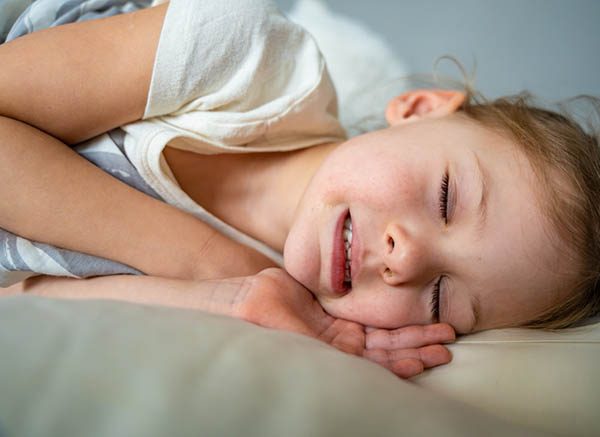
Is your child making strange grinding noises while they sleep? Or perhaps they’ve woken up complaining of jaw pain or a headache? They could be experiencing bruxism, more commonly known as teeth grinding. While it’s fairly common in kids and usually goes unnoticed, addressing it early can prevent long-term dental problems and ensure your child gets the restful sleep they need.
This guide will walk you through the possible causes of teeth grinding in children, the signs to watch for, and practical steps to take if it becomes an issue.
What Causes Teeth Grinding in Kids?
Teeth grinding can occur for a variety of reasons, and pinpointing the underlying cause is key to finding the right solution. Here are some of the most common explanations for why kids grind their teeth at night:
1. Stress or Anxiety
Even children experience stress! Teeth grinding can be an unconscious way for kids to process feelings of worry or pressure. Big life changes, like starting school or moving to a new house, can often trigger stress-related bruxism.
2. Misaligned Teeth or Bite Issues
If your child’s teeth or jaw are misaligned, it might cause them to grind their teeth as their body tries to “correct” the problem during sleep. This is something a dentist can easily identify and address.
3. Pain Relief
Grinding can be a child’s way of coping with physical discomfort, such as teething or earaches. The pressure from grinding may temporarily relieve any pain they’re feeling.
4. Hyperactivity or Sleep Disorders
Children with attention or sleep disorders, such as ADHD or sleep apnea, may be more prone to teeth grinding. Hyperactive behavior can carry through to nighttime, causing physical movements like clenching or grinding.
5. Reaction to Medications
Certain medications, especially those used to treat conditions like ADHD, can cause teeth grinding as a side effect. If this is the case, discussing alternatives or adjustments with your child’s doctor is a good idea.
Signs and Symptoms to Watch For
Bruxism can be tricky to spot, especially since it happens while kids are asleep. But with a bit of observation, you may notice these telltale signs:
- Grinding Sounds: If you hear crunching or grinding noises coming from your child’s room at night, it’s a major clue.
- Dental Damage: Worn down, chipped, or flattened teeth are signs of prolonged grinding.
- Jaw Pain or Headaches: Your child may complain of pain in their jaw, ears, or head when they wake up.
- Facial Soreness: Grinding often causes tension in the facial muscles, leading to soreness.
- Daytime Fatigue: Disrupted sleep from teeth grinding may cause your child to feel tired, cranky, or unfocused during the day.
If you notice any of these signs, it’s worth taking action to protect your child’s dental health and well-being.
Is Teeth Grinding Dangerous?
The good news is that bruxism in children is often mild and temporary. Many kids outgrow it as they develop and their adult teeth come in. However, in some cases, it can cause certain complications, including:
- Damage to Teeth: Over time, grinding can wear down the enamel, leading to sensitivity and decay.
- TMJ Disorders: Prolonged grinding can stress the jaw joint, causing discomfort and potential alignment issues.
- Sleep Disruption: Grinding may interfere with your child’s ability to get a full, restful night’s sleep.
If left untreated, these issues can escalate—but the good news is that there’s plenty parents can do to help.
What Can Parents Do?
If you suspect your child is grinding their teeth, here are some actionable steps to take at home:
1. Observe and Note Patterns
Pay attention to when the grinding occurs and whether there are any triggers, such as stress or recent illnesses. This information can be helpful when you discuss the issue with a dentist or doctor.
2. Create a Relaxing Bedtime Routine
Establishing a calming bedtime routine can help ease any stress or anxiety your child may be feeling. Reading a story, practicing deep breathing, or playing soothing music can signal relaxation before bed.
3. Avoid Caffeine and Sugary Foods
Limit your child’s intake of caffeine (including chocolate!) and sugary treats, especially in the evening. These can overstimulate them and worsen grinding.
4. Address Emotional Triggers
If stress is a factor, talk to your child about their feelings. Encourage open communication and consider incorporating mindfulness activities or journaling into their routine.
5. Consider a Mouthguard
If a dentist recommends it, a custom-fitted mouthguard can protect your child’s teeth from grinding damage. While this won’t stop the grinding itself, it serves as a preventative barrier against wear and tear.
When Should You See a Dentist?
Some cases of teeth grinding resolve on their own, but there are times when professional intervention is necessary. Schedule a check-up with your dentist if you notice any of the following:
- Persistent grinding that doesn’t improve over time
- Visible damage to your child’s teeth
- Pain that affects your child’s daily activities
- Ongoing sleep disruptions
A dentist can evaluate your child’s condition and suggest treatments, such as mouthguards, or identify underlying issues like misaligned teeth that may need correction.
Helping Your Child Rest Easy
Teeth grinding is surprisingly common in kids, and the good news is that most children outgrow it without lasting issues. By keeping an eye on symptoms and taking proactive steps, you can help protect your child’s smile and ensure they get the restful sleep they need.
To take the next step in your child’s dental health, request an appointment with Duffy Dental Ranch today. Our experienced team is here to evaluate and address teeth grinding concerns, and we’d love to help your little one rest easy.
 Read Our Reviews