
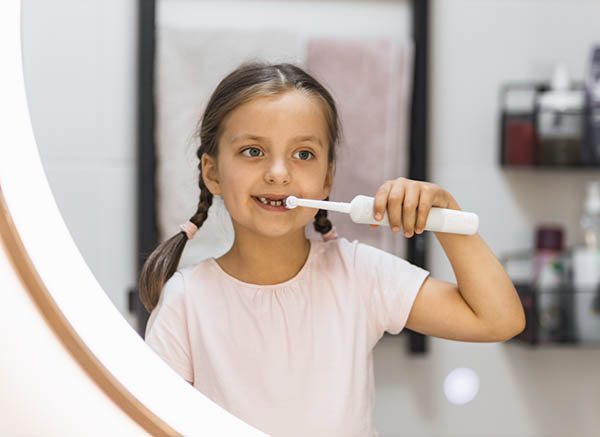
Electric vs. Manual Toothbrushes for Kids: Which One Wins?
When it comes to your child’s dental hygiene, picking the right toothbrush can be a surprisingly big decision. With so many options on the market, you might be wondering whether an electric or manual toothbrush is the better choice. Understanding the differences can help you decide what’s best for your little one’s smile—and we’re here to guide you.
At Duffy Dental Ranch, we know how important it is to make dental care as easy and effective as possible for kids. Here’s a breakdown of the pros and cons of electric and manual toothbrushes, advice on choosing the right one, and tips for keeping your child’s brushing routine fun and effective.
The Basics of Manual Toothbrushes
Manual toothbrushes are the traditional go-to tool for brushing teeth. They’ve been around for decades because they’re simple, inexpensive, and get the job done when used correctly.
Benefits of Manual Toothbrushes
- Affordable and Accessible: Manual toothbrushes are much lower in cost and widely available in stores, making them ideal for budget-conscious families. They’re also easy to bring along when traveling.
- Variety of Options: From extra-soft bristles to fun designs featuring popular cartoon characters, there’s no shortage of options to make brushing more appealing to kids.
- Easy to Control: A manual toothbrush allows your child (or you) to fully control the pressure and technique, which can be especially helpful for kids still learning how to brush thoroughly.
Drawbacks of Manual Toothbrushes
- Technique Matters: Manual toothbrushes require effort to use correctly. Kids may brush too quickly or miss spots, which can leave plaque behind.
- Lack of Built-In Features: Unlike electric toothbrushes, manual options don’t have timers, pressure sensors, or other features to guide proper brushing.
The Perks of Electric Toothbrushes
Electric toothbrushes are often marketed as revolutionary oral care tools, with built-in technology designed to improve brushing effectiveness. But do kids really need all those bells and whistles?
Benefits of Electric Toothbrushes
- Super-Efficient Cleaning: Electric toothbrushes deliver thousands of strokes per minute, which can remove plaque more effectively and with less effort—especially for kids who have trouble mastering brushing techniques with a manual brush.
- Built-In Timers: Many electric toothbrushes have timers that ensure your child brushes for the full two minutes recommended by the American Dental Association (ADA).
- Fun and Motivating: Some electric brushes come with playful features like music, lights, or phone apps, making brushing a more exciting experience for kids.
- Encourages Independence: The ease of use and exciting design can make kids more eager to take charge of their own brushing routine.
Drawbacks of Electric Toothbrushes
- Costlier Option: Electric toothbrushes are more expensive upfront and typically require replacement brush heads, which add to long-term costs.
- Heavier and More Bulky: Smaller kids may find some electric brushes hard to maneuver due to their size and weight.
- Charging or Batteries: Electric brushes either need charging or frequent battery replacements, which can be inconvenient for busy families.
Which One is Right for Your Child?
Choosing between an electric and manual toothbrush often depends on your child’s age, habits, and preferences. Here’s a handy guide to help you decide:
For Younger Children (Ages 3-6)
At this age, brushing is often a supervised activity, and the goal is building good habits. A manual toothbrush can be a great fit since parents are usually hands-on with brushing at this stage. If you decide on an electric brush, look for one with a small head, gentle vibrations, and age-appropriate settings.
For Older Kids (Ages 7+)
Older children are more independent and may benefit from the advanced cleaning features of an electric toothbrush. The built-in timers and extra power can help ensure they’re brushing correctly and thoroughly.
For Kids with Dental Devices
If your child wears braces or other orthodontic devices, an electric toothbrush with a smaller head and superior plaque-removal capabilities might be the better choice to keep those hard-to-reach spots clean.
Tips for Choosing the Best Toothbrush
- Check the Brush Head Size
Whether you go manual or electric, look for a toothbrush with a small head and soft bristles. These features are gentle on your child’s gums and make it easier to get into tight spaces. - Make It Age-Appropriate
Some brushes are specifically designed for toddlers, while others cater to teens. Choose one that matches your child’s age and dexterity. - Consider Preferences
Some kids may dislike the buzzing sensation of electric toothbrushes, while others might find them exciting. When possible, involve your child in picking their toothbrush. - Replace Regularly
No matter the type, toothbrush heads need to be replaced about every three months—or sooner if the bristles become frayed.
Consult Dr. Duffy for Personalized Advice
Still not sure which type of toothbrush will fit your child best? Dr. Duffy is here to help! Our team at Duffy Dental Ranch can offer tailored recommendations based on your child’s specific dental needs, habits, and preferences.
Call 940-278-0909 to schedule an appointment or ask any questions you may have. Our goal is to make dental care simple, effective, and fun for your family. You can also visit our website to learn more about oral hygiene tips for children.
Final Thoughts
There’s no “one-size-fits-all” answer to the manual versus electric toothbrush question, but understanding the pros and cons of each option can lead to a healthier smile for your child. The most important factor? Encouraging your child to brush twice a day, for two minutes each time, no matter which toothbrush they’re using.
If you still have questions, don’t hesitate to reach out to Dr. Duffy or check trusted resources like the ADA website for additional guidance. A healthy smile starts with the right tools and plenty of encouragement — and we’re here to make that happen!
 Read Our Reviews